


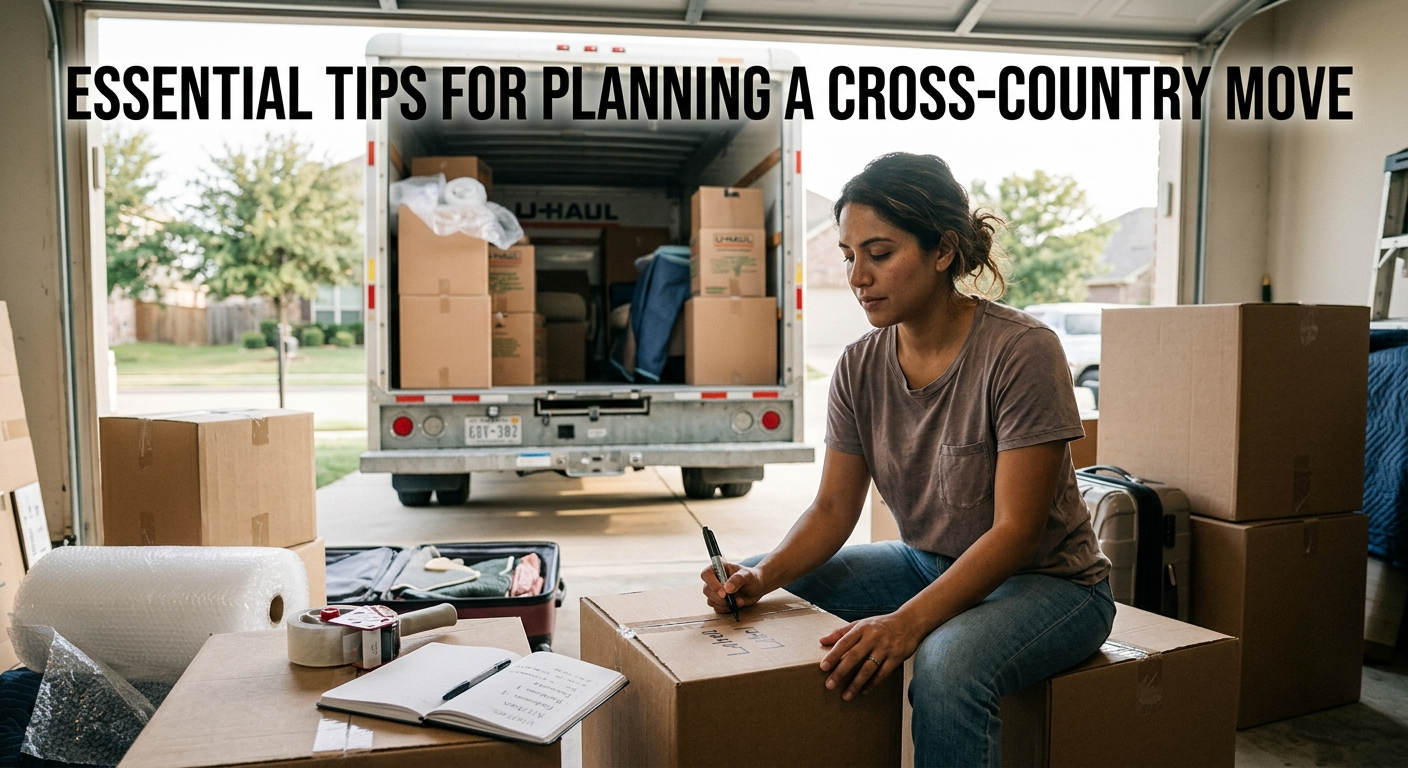
A cross-country move requires more than simply packing boxes and hiring a truck. It involves careful planning, budgeting, organization, and choosing trustworthy professionals.
With the right preparation, families and individuals can reduce stress, avoid costly mistakes, and enjoy a smoother transition to their new home.
Start Planning Earlier Than Expected
One of the biggest mistakes people make is waiting too long before organizing their move. A cross-country relocation includes many moving parts, from scheduling movers to updating important documents.
Industry experts generally recommend beginning preparations at least six to eight weeks before moving day. This provides enough time to compare services, collect estimates, and organize belongings without feeling rushed.
Creating a timeline early also helps prevent overlooked tasks that often become expensive last-minute problems.
Build a Moving Timeline
A detailed checklist keeps every stage of the move organized. Important tasks include:
-
Research moving companies
-
Create a moving budget
-
Gather packing supplies
-
Notify utility providers
-
Update mailing addresses
-
Schedule transportation
-
Prepare important documents
-
Confirm moving dates
Breaking large tasks into smaller weekly goals makes the entire process easier to manage.
Research Moving Resources Before Hiring Anyone
Reliable information helps consumers make better decisions. Many people begin by exploring My Moving Journey, a moving directory and resource website that offers educational content, moving guides, and helpful relocation resources before choosing a moving company.
Reviewing educational resources first helps people understand industry terminology, moving estimates, insurance options, and common mistakes before requesting quotes.
Create a Realistic Moving Budget
Moving costs vary depending on distance, shipment weight, timing, and additional services.
According to industry estimates, long-distance household moves often cost several thousand dollars depending on the size of the move and services selected. Understanding these variables helps families avoid unrealistic expectations.
A complete moving budget should include:
-
Professional moving services
-
Packing supplies
-
Storage fees
-
Fuel expenses
-
Hotel accommodations
-
Meals during travel
-
Vehicle transportation
-
Emergency expenses
Adding a financial buffer can help cover unexpected costs that sometimes arise during long-distance moves.
Declutter Before Packing
Packing unnecessary belongings increases both labor and transportation costs.
Before packing begins, homeowners should sort every room into four categories:
-
Keep
-
Donate
-
Sell
-
Recycle
Reducing the total shipment weight can significantly lower moving expenses while making unpacking much easier at the destination.
Ask Simple Questions
Before packing each item, consider:
-
Has it been used during the last year?
-
Would replacing it cost less than moving it?
-
Does it still serve a purpose?
-
Is it worth the moving cost?
These questions simplify decision-making and reduce clutter.
Gather Quality Packing Supplies
Strong boxes and proper packing materials protect valuable belongings during long-distance transportation.
Essential supplies include:
-
Heavy-duty moving boxes
-
Packing paper
-
Bubble wrap
-
Stretch wrap
-
Packing tape
-
Permanent markers
-
Furniture blankets
Using recycled or damaged boxes may increase the risk of damage during transit.
Label Everything Clearly
A simple labeling system saves hours during unloading.
Each box should include:
-
Destination room
-
General contents
-
Fragile designation (if needed)
-
Priority level
Many experienced movers recommend using colored labels for each room to simplify unloading.
Compare Multiple Moving Estimates
Consumers should never accept the first estimate they receive.
Instead, compare several written quotes while reviewing each company's:
-
Licensing
-
Insurance
-
Customer reviews
-
Complaint history
-
Services offered
-
Pricing transparency
Comparing multiple companies often reveals differences in service quality rather than just pricing.
Choose Reliable Professionals
Hiring experienced movers often makes the biggest difference in a successful relocation.
Before making a final decision, many consumers compare reliable long-distance movers by reviewing licensing information, customer feedback, available services, and overall reputation to find a provider that best matches their relocation needs.
Professional movers should willingly explain their estimates, insurance coverage, delivery windows, and policies before any contract is signed.
Warning Signs to Watch For
Be cautious if a company:
-
Demands large cash deposits
-
Refuses written estimates
-
Has no physical business address
-
Cannot provide licensing information
-
Avoids answering questions clearly
These warning signs deserve additional investigation before hiring.
Keep Important Documents Separate
Certain documents should never travel inside the moving truck.
Keep the following with you:
-
Identification
-
Passports
-
Birth certificates
-
Medical records
-
Financial documents
-
Insurance paperwork
-
Moving contracts
Having immediate access to these documents can prevent unnecessary delays.
Prepare an Essentials Box
The first day inside a new home is often exhausting.
An essentials box should include:
-
Medications
-
Phone chargers
-
Toiletries
-
Basic kitchen supplies
-
Snacks
-
Bottled water
-
Change of clothes
-
Cleaning supplies
Keeping these necessities nearby eliminates the need to search through dozens of boxes after arrival.
Communicate With Everyone Involved
Clear communication reduces misunderstandings throughout the moving process.
Important contacts include:
-
Movers
-
Family members
-
Property managers
-
Utility companies
-
Internet providers
-
Schools
-
Employers
Confirm dates and responsibilities several days before moving day to minimize surprises.
Inspect Belongings After Delivery
Once the shipment arrives, inspect boxes and furniture before signing the final paperwork.
If damage is discovered:
-
Take photographs immediately.
-
Record detailed notes.
-
Notify the moving company.
-
Keep copies of all documents.
Prompt reporting helps support any necessary claims.
Final Thoughts
Planning a cross-country move becomes much easier when preparation starts early and every step follows a clear strategy. Creating a realistic budget, organizing belongings, selecting experienced professionals, and staying informed throughout the process all contribute to a smoother relocation.
With careful planning and reliable information, individuals and families can approach a long-distance move with greater confidence while reducing unnecessary stress and avoiding common moving challenges.