


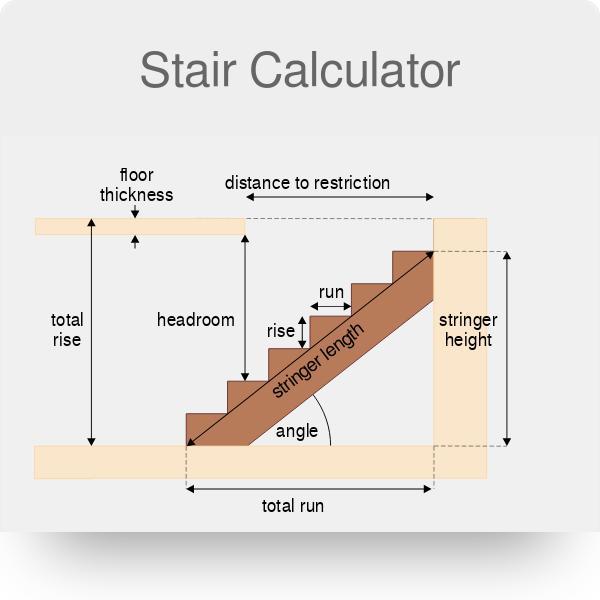
Designing a staircase is one of the most important aspects of any construction or renovation project. A well-designed staircase not only improves accessibility but also enhances the safety and aesthetics of a property. However, creating accurate stair dimensions can be challenging without the right tools. This is where an ez stair calculator and a stair calculator with landing become invaluable.
Whether you are a contractor, architect, builder, or DIY homeowner, digital stair planning tools make the design process faster, easier, and more precise. These tools eliminate complicated manual calculations, reduce construction errors, and help ensure that staircases meet safety standards and building regulations.
Why Accurate Stair Planning Matters
Stairs are used daily in homes, offices, and commercial spaces. Even small mistakes in measurements can result in uncomfortable or unsafe stairs. Uneven risers, incorrect tread depths, or poorly planned landings can increase the risk of accidents and require costly modifications.
Proper stair planning offers several advantages:
- Improved user safety
- Greater comfort when climbing and descending
- Better structural performance
- Compliance with local building codes
- Reduced material waste
- Faster construction timelines
Accurate calculations form the foundation of every successful staircase project.
Understanding an EZ Stair Calculator
An ez stair calculator is an online or digital tool designed to simplify staircase measurements. Instead of manually calculating dimensions, users enter basic information such as total rise and available space, and the calculator generates detailed results instantly.
Typical outputs include:
- Number of steps required
- Individual riser height
- Tread depth
- Total stair run
- Stair angle
- Stringer dimensions
Using an automated calculator saves time and significantly reduces the possibility of human error.
Benefits of Using an EZ Stair Calculator
Enhanced Accuracy
Precise calculations ensure consistent riser heights and tread depths throughout the staircase.
Faster Project Completion
Builders can generate measurements instantly, allowing projects to progress more efficiently.
Reduced Material Waste
Accurate dimensions minimize incorrect cuts and unnecessary material expenses.
Easier Design Modifications
Users can quickly test different staircase layouts and compare results before finalizing the design.
Better Safety
Correctly proportioned stairs create a safer and more comfortable user experience.
What Is a Stair Calculator with Landing?
A stair calculator with landing is a specialized tool designed for staircases that include one or more intermediate platforms. Landings are commonly used in multi-story buildings, compact spaces, and staircases that change direction.
These calculators help determine:
- Landing dimensions
- Number of steps before and after the landing
- Rise and run measurements
- Stair angle
- Overall staircase layout
Because staircases with landings involve additional design considerations, accurate calculations are essential for both functionality and safety.
Why Landings Are Important in Stair Design
Landings serve several practical purposes in modern construction.
Improved Safety
Landings provide resting points, reducing fatigue and improving user safety, especially in long staircases.
Space Optimization
They allow staircases to change direction, making better use of available floor space.
Enhanced Accessibility
Intermediate platforms make stairs more comfortable for elderly individuals and those with limited mobility.
Better Traffic Flow
In commercial and public buildings, landings help manage pedestrian movement efficiently.
Because of these benefits, many building codes require landings under specific conditions.
Key Components of Stair Design
Before using an ez stair calculator or stair calculator with landing, it is helpful to understand basic staircase terminology.
Total Rise
The complete vertical distance between the lower and upper finished floor levels.
Total Run
The total horizontal distance occupied by the staircase.
Tread
The horizontal surface on which users place their feet.
Riser
The vertical component between two adjacent treads.
Stringer
The structural support that carries the staircase.
Landing
A flat platform located between flights of stairs or at transition points.
Understanding these components ensures accurate interpretation of calculator results.
Common Applications for Stair Calculation Tools
Digital stair calculators are suitable for a wide range of projects.
Residential Construction
Homeowners and builders use calculators for interior staircases, basement stairs, and loft access.
Deck and Patio Stairs
Outdoor stair projects benefit from accurate measurements and efficient material planning.
Commercial Buildings
Businesses require precisely designed staircases to meet safety regulations and accommodate heavy foot traffic.
Renovation Projects
Existing structures often have unique spatial limitations that require customized calculations.
Industrial Facilities
Warehouses and manufacturing sites frequently incorporate stairs with landings for improved accessibility and safety.
Best Practices for Designing Stairs with Landings
To achieve optimal results, consider the following recommendations.
Measure Carefully
Verify total rise and available floor space multiple times before entering values.
Consider Building Codes
Always review local regulations regarding stair dimensions and landing requirements.
Account for Finished Flooring
Floor coverings can alter final stair measurements and should be included in calculations.
Use High-Quality Materials
Durable materials improve structural integrity and long-term performance.
Review Final Layouts
Inspect all dimensions thoroughly before beginning construction.
The Future of Stair Design Technology
Modern construction increasingly relies on digital solutions to improve efficiency and accuracy. Advanced stair calculators now provide visual diagrams, printable plans, and detailed material estimates.
Technological innovations continue to offer benefits such as:
- Faster project planning
- Improved precision
- Better collaboration between contractors and clients
- Reduced construction costs
- Enhanced project outcomes
As digital tools evolve, stair design will become even more streamlined and accessible.
Conclusion
Accurate stair planning is essential for creating safe, functional, and visually appealing staircases. An ez stair calculator simplifies complex calculations, while a stair calculator with landing helps builders design stair systems that maximize both safety and space efficiency.
Whether you are constructing residential stairs, commercial stairways, or renovation projects, using reliable digital tools can significantly improve accuracy, reduce waste, and save valuable time. By combining proper planning with modern calculation technology, builders and homeowners can create high-quality staircases that deliver long-lasting performance and exceptional usability.