



A lot of people assume buying matcha is simple — you find a supplier in Japan, order in bulk, put it in a tin, and sell it. If it were actually that easy, though, Dubai wouldn't have so many disappointing tins sitting on supermarket shelves right now. The truth is, most of what passes as matcha here never goes through the level of scrutiny it actually needs. At Pekoe, that scrutiny is really the whole job.
We wanted to pull back the curtain a little on what that process actually looks like, because once you understand what goes into a genuinely good batch of matcha, it's hard to settle for anything less again.
It Starts With Where the Leaves Are Grown
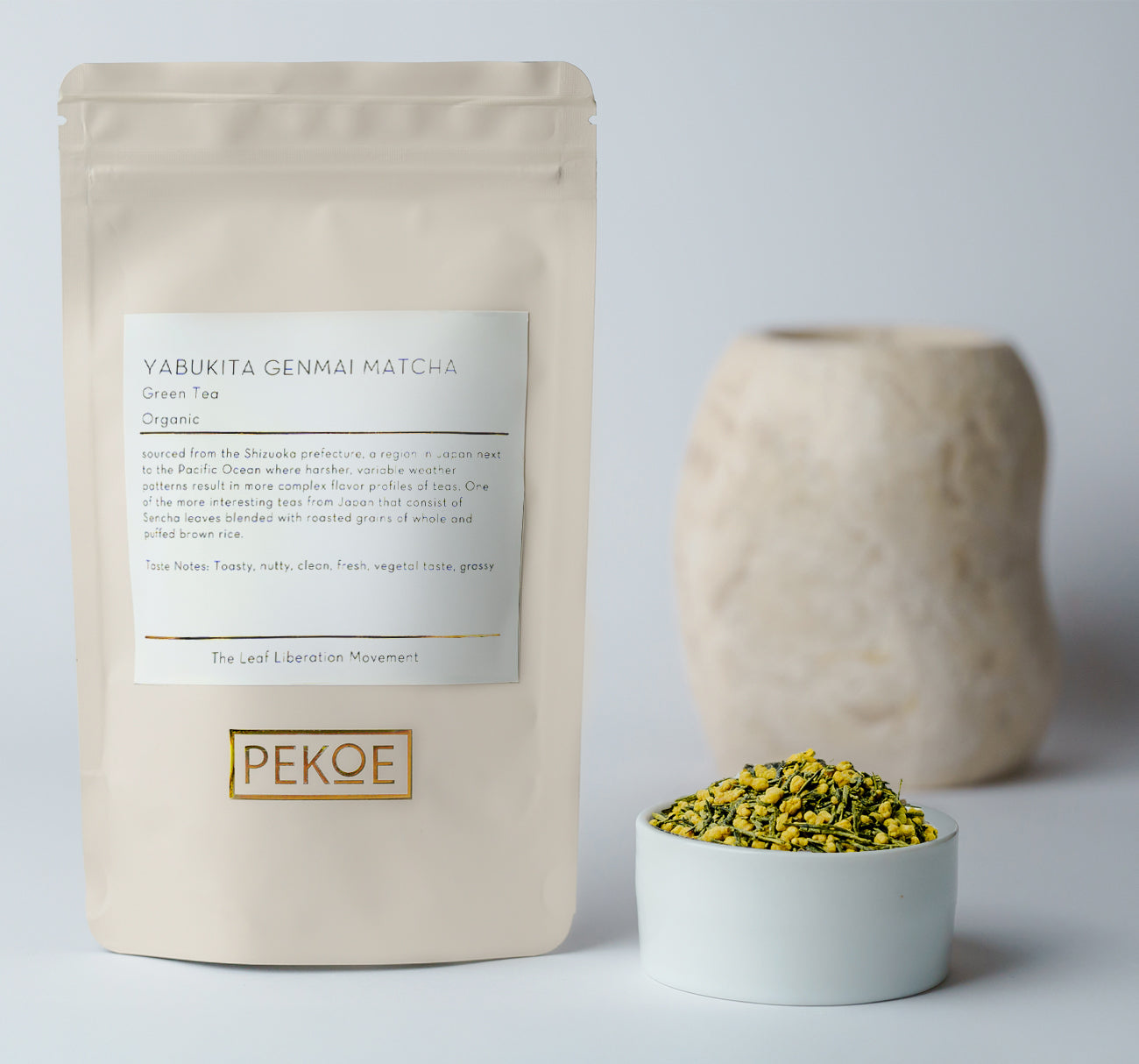
Not all tea-growing regions in Japan produce matcha of the same quality, and this is the first filter we apply before anything else is even considered. We source from Shizuoka and Kagoshima, two regions with generations of expertise specifically in cultivating the shaded tea plants that matcha requires. The soil, climate, and altitude in these areas consistently produce leaves with the right balance of sweetness and depth, which is exactly why serious tea producers keep returning to them rather than chasing cheaper alternatives elsewhere.
Shading is non-negotiable for us. Roughly a month before harvest, the plants need to be covered to reduce direct sunlight, which forces them to produce more chlorophyll and amino acids. Skip this step, or rush it, and you end up with a duller, more bitter tea — which, unfortunately, is exactly what a lot of cheaper matcha on the market actually is.
Only the Youngest Leaves Make the Cut
Once harvest time comes, timing and selection matter enormously. We work only with the youngest, most tender leaves, hand-picked rather than machine-harvested, because younger leaves carry a sweeter, more delicate flavour with none of the coarseness older leaves develop. This is genuinely one of the biggest reasons two matchas can look similar on paper but taste completely different once whisked.
Stone-Ground, the Slow Way
After the leaves are steamed and dried, they're ground into the fine powder that ends up in your bowl. This is where a lot of mass-market matcha cuts corners. Machine-milling at high speed is faster and cheaper, but the heat generated in the process strips away much of the delicate aroma and nutritional value that makes matcha worth drinking in the first place.
We insist on traditional stone-grinding instead, using granite mills that grind slowly enough to keep the leaf cool throughout the process. It takes longer, and it costs more, but it's the difference between a matcha that tastes vividly alive and one that tastes flat.
Grading Isn't Just Marketing
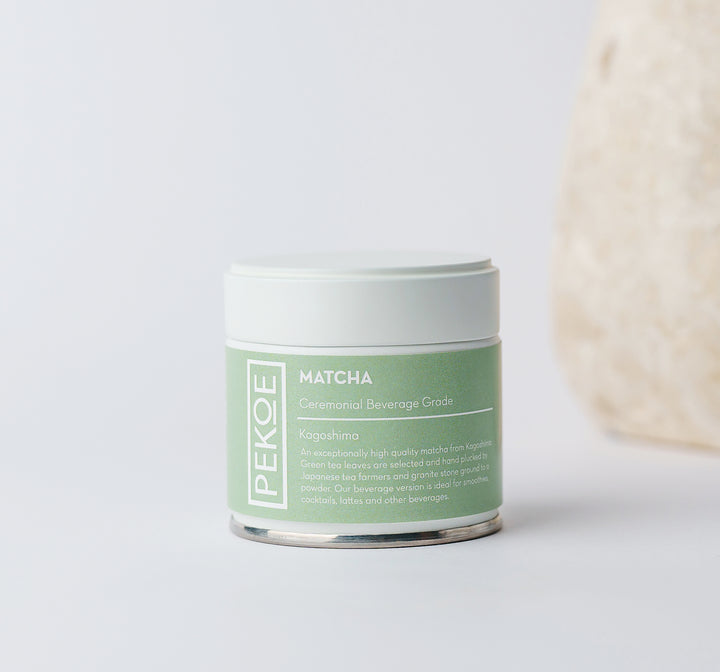
You've probably seen terms like "ceremonial grade" and "culinary grade" thrown around, sometimes without much consistency behind them. We take grading seriously because it genuinely changes how matcha should be used. Our ceremonial-grade matcha is meant for traditional whisking, drunk on its own, where its smoother, sweeter profile can actually be appreciated. Our beverage-grade matcha is built with lattes in mind, holding its flavour and colour well even when blended with milk, ice, or sweeteners. Selecting the right grade for the right purpose isn't a minor detail. It's often the difference between someone loving matcha and someone giving up on it after one disappointing cup.
Freshness Doesn't End at Sourcing
Even the best matcha in the world can arrive tasting tired if it's not handled properly after processing. Matcha is genuinely delicate — exposure to heat, light, or air degrades its colour and flavour faster than most people realise. That's why we package everything here in the UAE rather than letting product sit in transit or storage for extended periods before reaching customers. Shortening that gap between processing and your kitchen is one of the simplest, most effective things we do to make sure what you're drinking still tastes the way it's supposed to.
Why We Go Through All This
Dubai has plenty of options if someone just wants something labelled "matcha." What we've tried to build at Pekoe is something different — a source people can actually trust, where every batch has been through the same careful selection, whether it's our matcha or the rest of our range, including our green tea and chamomile tea. The process takes longer and costs more than simply importing whatever's cheapest, but it's really the only way we know how to do this properly.
The Bottom Line
Selecting good matcha isn't a single decision — it's dozens of smaller ones, made at every stage from the shaded fields of Shizuoka to the moment it's packaged here in the UAE. At Pekoe, that attention to detail isn't a marketing line. It's genuinely the only way we know how to make sure what reaches your bowl actually deserves the name matcha.
For more information
TikTok: mypekoe
Instagram: mypekoe
Facebook: mypekoe