


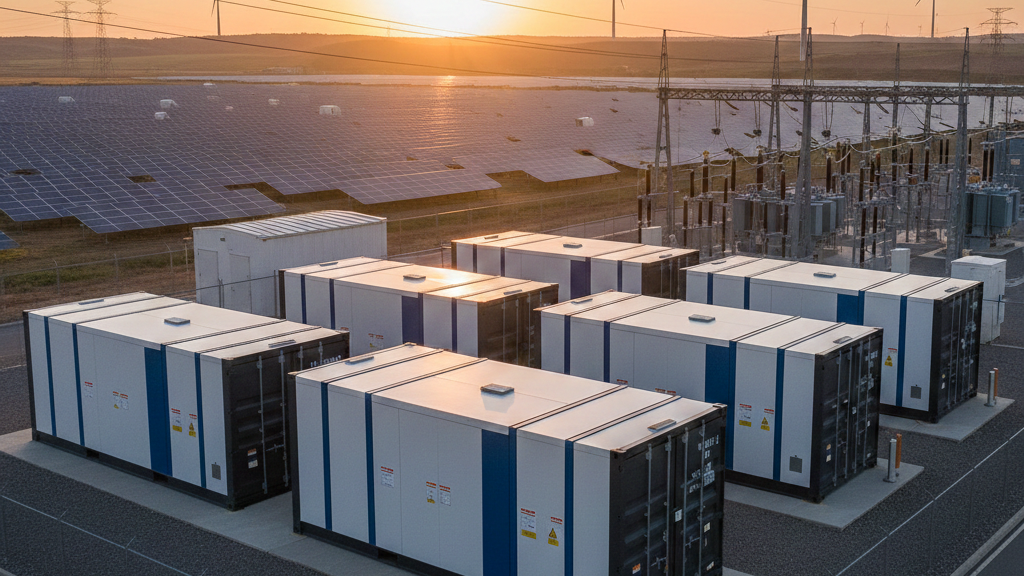
As energy demands continue to grow and electricity costs rise, many businesses, communities, and homeowners are exploring alternatives to traditional utility power. One of the most effective solutions is the adoption of Off Grid Energy Storage Systems, which provide reliable electricity without depending on the public power grid.
These systems combine advanced energy storage technologies with renewable energy sources such as solar and wind power to create a self-sustaining energy infrastructure. Whether used in remote locations, industrial facilities, agricultural operations, telecommunications networks, or residential properties, off-grid energy storage systems offer greater energy independence, improved reliability, and long-term cost savings.
With modern innovations such as graphene-based energy storage, off-grid systems are becoming more efficient, durable, and capable of meeting the power requirements of a wide range of applications.
What Are Off Grid Energy Storage Systems?
Off Grid Energy Storage Systems are standalone power solutions designed to generate, store, and distribute electricity without connection to a utility grid.
These systems typically consist of:
Renewable energy sources such as solar panels or wind turbines
Energy storage units
Power conversion equipment
Smart energy management systems
Backup power generation when required
The storage component serves as the heart of the system. During periods of energy production, excess electricity is stored for later use. When renewable generation decreases or demand increases, the stored energy is released to provide continuous power.
This approach ensures a stable and dependable electricity supply even in locations where grid access is unavailable or unreliable.
Why Off Grid Energy Storage Systems Are Growing in Demand
Traditional electrical infrastructure is not always available in remote areas. Even where grid power exists, outages, voltage fluctuations, and rising utility costs can create operational challenges.
Off-grid systems address these concerns by giving users complete control over their energy supply.
Several factors are driving the increased adoption of off-grid energy solutions:
Energy Independence
Organizations no longer need to rely entirely on utility providers. They can generate, store, and manage their own electricity.
Reduced Energy Costs
Although the initial investment may be significant, off-grid systems can substantially reduce long-term electricity expenses.
Renewable Energy Integration
Solar and wind power can be fully utilized through energy storage, reducing dependence on fossil fuels.
Improved Reliability
Stored energy ensures uninterrupted operation during weather events, grid failures, or power shortages.
Environmental Sustainability
Off-grid systems help reduce carbon emissions and support clean energy initiatives.
How Off Grid Energy Storage Systems Work
The operation of an off-grid system follows a straightforward process.
Energy Generation
Solar panels, wind turbines, or other renewable energy sources generate electricity during favorable conditions.
Energy Storage
When energy production exceeds immediate demand, excess electricity is stored in batteries or advanced storage technologies.
Energy Management
Intelligent control systems monitor production, consumption, and storage levels to optimize performance.
Energy Distribution
Stored energy is released whenever renewable generation is insufficient to meet demand.
This cycle creates a continuous and reliable energy supply regardless of external grid conditions.
Key Components of an Off Grid Energy Storage System
Energy Storage Technology
The storage unit determines system performance, efficiency, and reliability.
Modern storage options include:
Lithium-ion batteries
Graphene-enhanced batteries
Supercapacitor systems
Hybrid energy storage solutions
Advanced graphene storage technologies offer rapid charging, long cycle life, enhanced safety, and exceptional durability.
Renewable Energy Sources
Most off-grid installations utilize solar energy due to its availability and declining equipment costs.
Additional renewable options include:
Wind turbines
Micro-hydropower systems
Biomass generators
Hybrid renewable systems
Inverters and Power Electronics
Inverters convert stored DC power into usable AC electricity for equipment and facilities.
High-quality power electronics ensure stable voltage and frequency output.
Smart Energy Management Systems
Modern systems utilize intelligent controllers to optimize energy generation, storage, and consumption.
These platforms monitor:
Battery status
Power demand
Renewable generation
Equipment performance
System efficiency
Automation improves reliability while reducing operational complexity.
Benefits of Off Grid Energy Storage Systems
Continuous Power Availability
Reliable energy storage ensures electricity remains available during nighttime hours, cloudy weather, or periods of low renewable generation.
Lower Operating Costs
Users can avoid utility bills, demand charges, and fuel expenses associated with conventional power generation.
Scalability
Off-grid systems can be designed for small residential installations or large industrial facilities.
Enhanced Energy Security
Organizations maintain operational continuity even during widespread power outages.
Reduced Environmental Impact
Renewable energy combined with storage significantly lowers greenhouse gas emissions.
Long-Term Financial Savings
While installation requires capital investment, reduced electricity costs often provide substantial long-term returns.
Applications of Off Grid Energy Storage Systems
Remote Industrial Sites
Mining operations, construction projects, and oil and gas facilities frequently operate in locations without reliable grid access.
Off-grid energy storage systems provide dependable power while reducing fuel consumption.
Telecommunications Infrastructure
Telecommunication towers require uninterrupted electricity to maintain network connectivity.
Energy storage systems improve reliability while lowering operating expenses.
Agricultural Operations
Farms often need electricity for irrigation systems, storage facilities, pumps, and equipment.
Off-grid systems provide dependable energy in rural areas where utility access may be limited.
Residential Communities
Remote homes and eco-friendly developments increasingly use off-grid systems to achieve energy independence.
Healthcare Facilities
Medical clinics in remote regions rely on energy storage systems to support critical equipment and emergency services.
Disaster Recovery and Emergency Response
Portable energy storage solutions provide rapid deployment power during emergencies and natural disasters.
The Role of Graphene Technology in Off Grid Storage
Traditional battery technologies have limitations related to lifespan, charging speed, and thermal management.
Graphene-enhanced energy storage systems address many of these challenges.
Benefits include:
Faster charging capabilities
Longer operational life
Improved efficiency
Enhanced safety
Better temperature performance
Reduced maintenance requirements
High power delivery capability
These advantages make graphene technology particularly attractive for off-grid applications where reliability is essential.
As energy storage technology evolves, graphene-based systems are expected to play a significant role in supporting next-generation off-grid infrastructure.
Smart Control and Energy Optimization
Modern off-grid systems rely heavily on intelligent energy management.
Smart controllers continuously analyze:
Weather forecasts
Solar production
Battery charge levels
Energy demand patterns
Equipment performance
Using real-time data, these systems automatically optimize charging and discharging cycles to maximize efficiency.
Predictive analytics can further improve performance by anticipating future energy requirements and adjusting operations accordingly.
Challenges and Considerations
While off-grid systems offer significant advantages, proper planning remains essential.
Important considerations include:
System Sizing
Storage capacity must align with expected energy consumption.
Renewable Resource Availability
Solar or wind resources should be evaluated before installation.
Future Expansion
Systems should allow for additional storage and generation capacity as energy needs grow.
Equipment Quality
High-performance components improve efficiency, reliability, and long-term value.
Maintenance Requirements
Regular monitoring and preventive maintenance help ensure optimal operation.
Working with experienced energy storage providers helps organizations design systems that meet both current and future requirements.
Future Trends in Off Grid Energy Storage
Several innovations are shaping the future of off-grid power systems:
Graphene-based energy storage
Artificial intelligence energy management
Hybrid renewable energy systems
Advanced microgrids
Predictive maintenance technologies
Remote monitoring platforms
High-efficiency power electronics
These advancements will continue improving system reliability, efficiency, and affordability.
As renewable energy adoption accelerates worldwide, off-grid energy storage will become an increasingly important component of modern energy infrastructure.
Conclusion
Off Grid Energy Storage Systems provide a dependable and sustainable solution for organizations seeking greater energy independence. By combining renewable energy generation, advanced storage technologies, and intelligent control systems, these solutions deliver reliable electricity while reducing operating costs and environmental impact.
Whether supporting industrial facilities, telecommunications networks, agricultural operations, healthcare services, or remote communities, off-grid energy storage systems offer the flexibility and resilience required in today's evolving energy landscape. With innovations such as graphene-based storage and smart energy management, the future of off-grid power is more efficient, reliable, and sustainable than ever before.